

How to make the best use of EU’s natural gas network in the energy transition

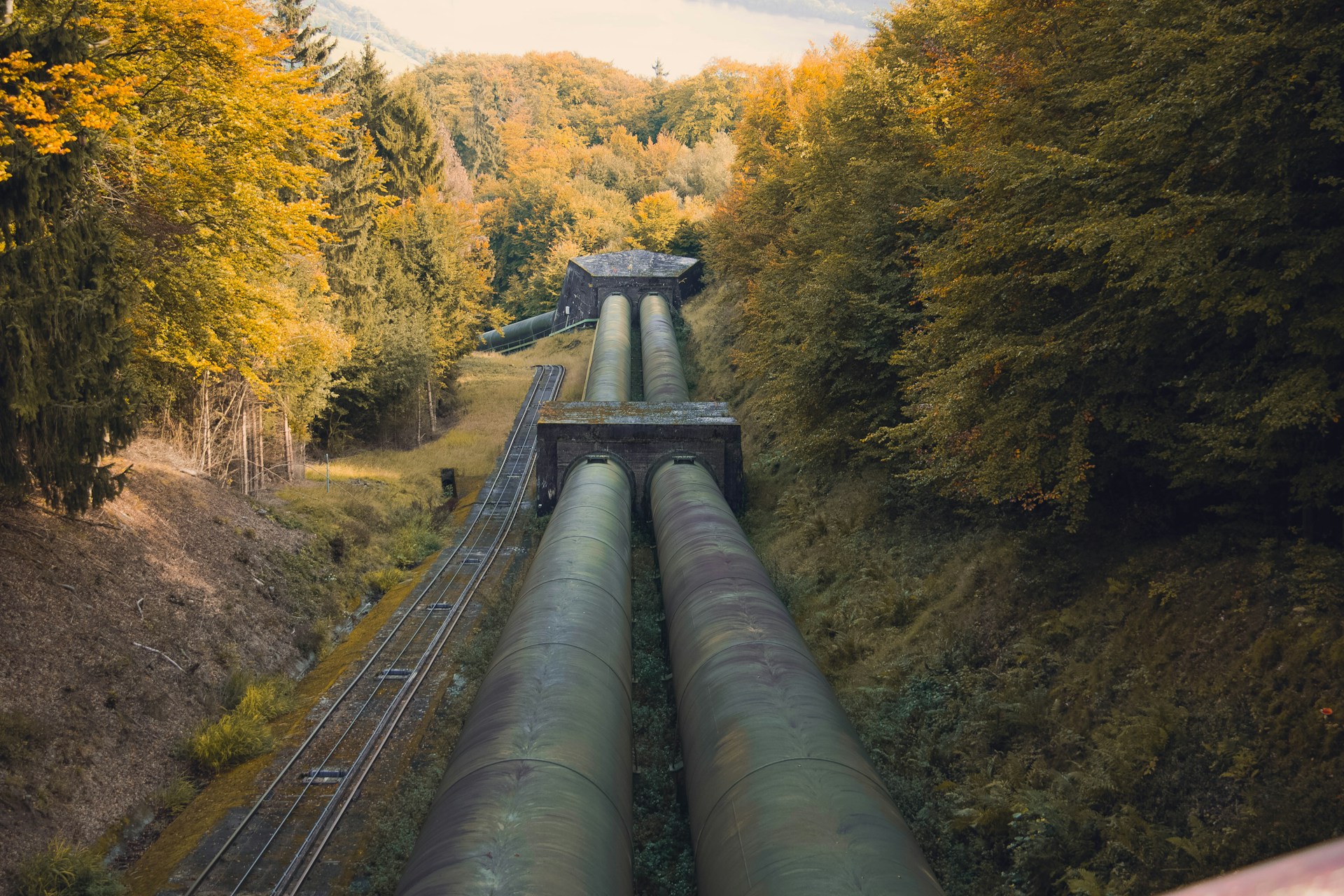
The EU has the most developed natural gas network in the world. It constitutes more than 200000 km of transmission pipelines, over 2 million km of distribution networks, and more than 20000 compressor and pressure reduction stations. The value of the total infrastructure investments is at least 250 billion Euro. 40% of households are connected to the gas network. In short, the EU gas network is capable of transporting and storing large quantities of energy and is well connected to the final consumers.
The EU has committed to achieving climate neutrality by 2050. To meet this objective it is intended to strongly reduce natural gas consumption, and based on Commission modeling this may already reduce gas demand by 25% by 2030, progressively shifting to use renewable and low-carbon hydrogen and biomethane.
At the same time the Commission is giving increasing importance to the rapid development of a CCS grid and storage, scheduling a CCS Strategy for later this year and proposing a EU 50 MT target for CO2 storage by 2030 as well as legal obligations on oil and gas companies to invest by this date.
Whilst the future hydrogen grids and CO2 network will be made up of a mix of new and old pipes, repurposing significant part of the existing gas grid will obviously play a major role.
The European gas networks will require major adaptations to meet this energy transition. And this adaptation should be done in full conformity with continuing safety of supply and minimal costs.
Against this background, National Regulatory Authorities will need to take decisions on the repurposing, de-commissioning, replacement, and extended use of individual existing EU’s gas systems assets. To do this in a consistent and wise way is a considerable challenge.
The FSR Policy debate will reflect on current knowledge and future challenges, asking whether the framework currently being finalized will deliver, and asking what is next and what still needs to be done.
Structure
Introduction Andris Piebalgs | FSR
Presentation of the DNV Study “Future regulatory decisions on natural gas networks: repurposing, decommissioning and reinvestments” Dr. Konstantin Petrov | DNV
Discussion
Christopher Jones | FSR
Walter Boltz |
Sara Piskor | ENTSOG
Q&A with the audience
Conclusions Andris Piebalgs | FSR
Presentations
Don’t miss any update on our events
Sign up for free and access the latest events from our community.
More on the topic